
NEBOSH IGC (International General Certificate) is the most sought-after entry-level qualification for HSE professionals who want to work internationally. In 2026 the assessment path centres on the IG1 open-book exam and the renewed GIC2 practical assessment. Expect 3 to 4 months of study, 8–10 hours per week, and a typical all-in cost around €3,500. This guide answers the questions people ask before they enrol — cost, assessment, duration and careers.
What is NEBOSH IGC?
NEBOSH stands for the National Examination Board in Occupational Safety and Health. The International General Certificate (IGC) is its global entry-level qualification in occupational health and safety (HSE). It is comparable to national safety qualifications in many countries — but recognised internationally in more than 120 countries.
With NEBOSH IGC you can apply for HSE roles in ports, offshore, oil & gas, construction, logistics, energy and international projects. For professionals and expats based in Europe, it is especially valuable if you want to work across borders or win international contracting assignments in the major ports.
Want a shorter overview first? Read: What is NEBOSH IGC?
NEBOSH IGC cost in 2026 (what’s included)
Total cost depends on the provider, the study format, and whether assessment fees are included. The table below gives a realistic picture for students in 2026:
| Item | Indication 2026 | Notes |
|---|---|---|
| Course all-in | €3,500 | At SafetyXAcademy Rotterdam: tuition, coaching, assessment fees IG1 + GIC2 |
| Separate exam fees (indication) | €200–€400 per unit | If you register separately; usually included in all-in packages |
| Study material | Included | Official NEBOSH material (English) via the provider |
| Resit | €150–€350 per attempt | Only relevant if you don't pass a unit |
| Time (opportunity cost) | 8–10 hours/week | 3–4 months alongside work; no extra euros, but worth factoring in |
Tip: always compare exactly what "all-in" covers. Some providers charge exam fees, resits or classroom days separately. Our NEBOSH IGC course in Rotterdam is €3,500 all-in for January 2027.

IG1 + GIC2: how the IGC assessment works now
NEBOSH IGC is completed through two assessments. You only earn the full qualification once both parts are passed:
- IG1 — Open Book Exam: the theory assessment on HSE management, legislation, risks and prevention. This is an open-book online exam in English. You may use your study material, but you need to reason quickly and independently.
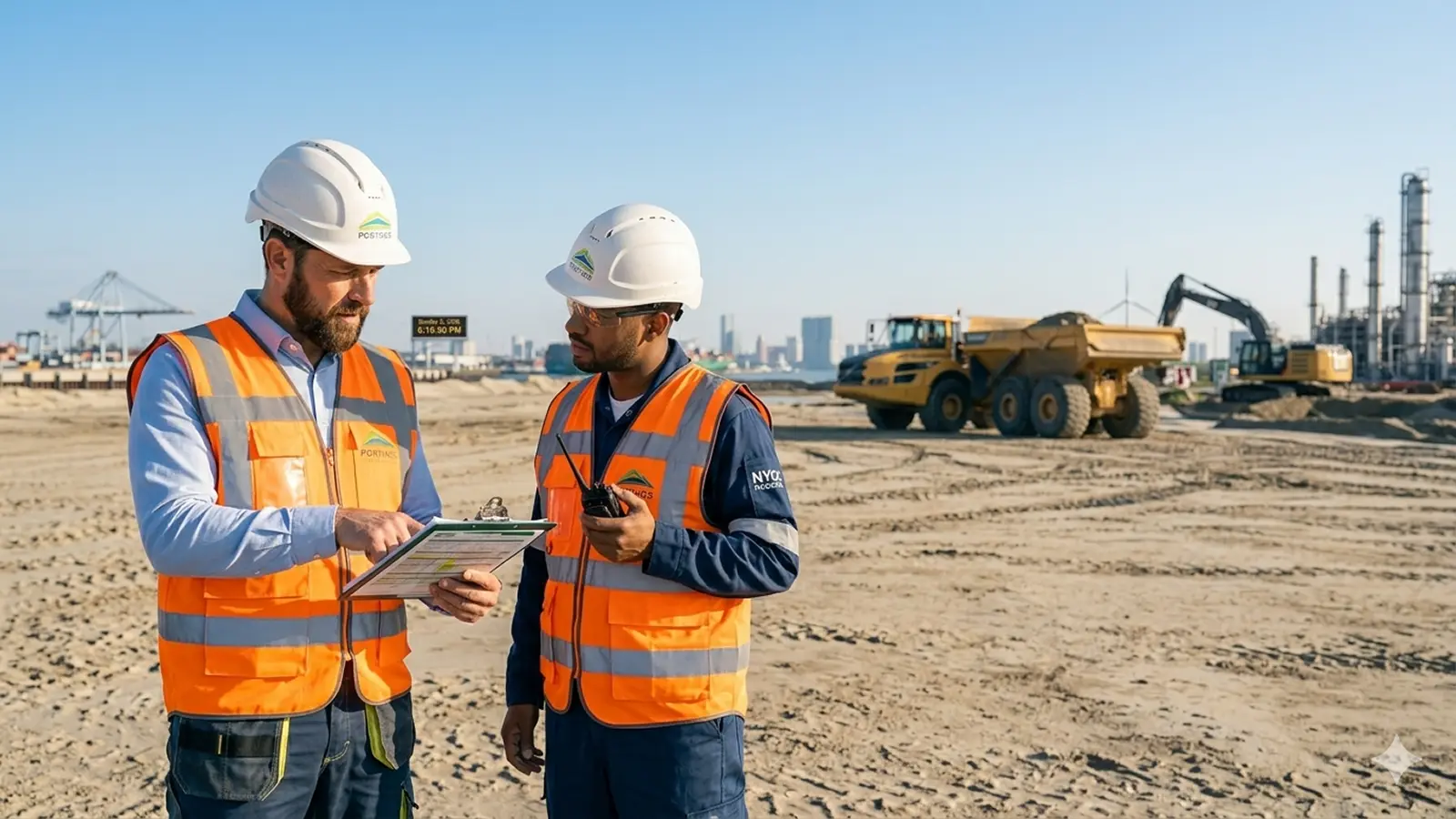
- GIC2 — Practical Assessment: the current practical workplace risk assessment. You identify hazards, evaluate controls and recommend improvements. It is an assessment of professional approach — not a classic sit-down exam.
IG2 vs GIC2 — quick 2026 clarification
Searchers still look for IG2, but for new submissions the practical unit is GIC2.
- IG2 was the practical risk-assessment unit under the older 2018 specification. Final IG2 assessment date: 6 August 2026.
- GIC2 is the renewed practical workplace risk assessment under the current specification.
- Both are practical workplace risk assessments. The big change is structure and marking: GIC2 is marked out of 100, with 60 marks required to pass.
- If you start now, prepare for GIC2 — not the old IG2 checklist rules.
More detail: NEBOSH IG2 / GIC2 risk assessment guide, IGC exam changes for 2026, or practise with 20 free IG1 practice questions.
How long does NEBOSH IGC take?
Most students complete NEBOSH IGC in 3 to 4 months. It is a blended programme:
- Online modules — flexible, at your own pace, alongside your job
- Classroom days in Rotterdam — for in-depth explanation, exam coaching and peer learning
- Self-study — plan for an average of 8 to 10 hours per week (reading, practising, GIC2 preparation)
You don't have to complete IG1 and GIC2 on the same day, but most providers schedule them in a single cohort. Book your assessments well ahead: popular windows can fill up.
The exam: English, open book, and how hard is it?
This is what many candidates find daunting. The facts:
- The study material and assessments are in English. NEBOSH recommends roughly B2 level.
- IG1 is open book: you may use your book, but the questions test understanding — not literal look-up.
- GIC2 is practical: you submit a workplace risk assessment that meets current NEBOSH criteria.
- A prior national qualification is not required. A basic safety certificate, technical background or HSE experience is often enough to start.
With clear teaching, exam coaching and practice material, IGC is achievable for motivated students. Test your level for free with our NEBOSH quiz (20 questions, all IG1 elements).
Want to know exactly how the current exam works? Read more on our NEBOSH course page or the 2026 exam update.

Who is NEBOSH IGC for?
The course suits:
- HSE officers, safety professionals and prevention advisors who want to progress internationally
- Supervisors, team leaders and technicians (ports, offshore, construction, industry) taking on HSE responsibility
- Contractors who want to win higher day rates in ports
- Expats and international professionals who deliberately choose the globally recognised path
Less suitable if you only ever want to work within a single country's legal framework with no international ambition — then a national qualification can sometimes be a more direct fit. But as soon as ports, offshore or expat assignments come into view, IGC is often the better investment.
NEBOSH IGC vs national qualifications: which do you choose?
In short:
- National safety qualifications: strong within one country, deep local legislation, often higher entry cost and longer duration
- NEBOSH IGC: internationally recognised, shorter programme, English assessment, ideal for ports/offshore/expat work
Many professionals eventually earn both, in the order that fits their career — a national qualification for the local market, and NEBOSH IGC to open the wider world.
Where to take NEBOSH IGC in Europe?
NEBOSH itself doesn't run classroom courses; you study through an accredited learning partner. There are online-only programmes and blended courses with physical classroom days.
SafetyXAcademy offers an English-taught NEBOSH IGC in Rotterdam (Veerhaven, Westplein 12):
- Max. 10 students per group
- Taught in English, assessment in English
- €3,500 all-in
- Starts January 2027
International students and expats are welcome. More details on the course page.

NEBOSH IGC careers and salary prospects
Employers use NEBOSH IGC as a practical filter for international HSE hiring. Typical roles after the certificate include HSE officer, safety advisor, site safety supervisor and junior HSE coordinator — especially in ports, offshore, construction, logistics and energy projects.
- Employed roles: junior/operational HSE often around €3,000–€3,900 gross per month; mid-level safety roles commonly €3,900–€4,800, depending on experience and sector.
- Contracting: day rates for experienced HSE contractors commonly sit around €500–€1,500, with higher bands in offshore and high-risk projects.
- Career path: IGC is usually the international entry ticket; many professionals later add specialist or national qualifications as they move into senior HSE or management roles.
For deeper salary numbers, see HSE safety officer salary 2026 and contractor day rates in Europe. Live openings: HSE jobs & contracting assignments.
Frequently asked questions about NEBOSH IGC
How much does the NEBOSH IGC cost in total in 2026?
Typical all-in cost is around €3,500 at SafetyXAcademy (tuition, coaching and assessment fees for IG1 + GIC2). Always check what “all-in” includes — exam fees and resits are sometimes billed separately.
What is the difference between IG2 and the renewed GIC2 assessment?
IG2 was the older practical unit (2018 specification; final assessment 6 August 2026). GIC2 is the renewed practical workplace risk assessment with points-based marking (100 marks, pass at 60). New starters should prepare for GIC2.
How much study time do you need for NEBOSH IGC?
Plan for 3–4 months and about 8–10 hours per week of blended study and self-study. That covers preparation for the IG1 open-book exam and the GIC2 practical assessment alongside full-time work.
What are the career prospects and salary expectations after NEBOSH IGC?
IGC supports HSE officer and advisor roles across international sectors. Employed salaries often sit around €3,000–€4,800 gross per month by level; contractor day rates commonly range from about €500–€1,500 depending on sector and risk.
Next step: starts January 2027
NEBOSH IGC is a serious investment in your HSE career — but one with measurable returns: international recognition, a stronger contracting position and access to assignments that stay closed without the qualification.
Join the waitlist for January 2027 →
Or first explore the course in detail, take the free practice test, or read about HSE jobs & contracting assignments after your qualification.
Last updated: 11 August 2026. Costs and start dates may change; always check the current course page for definitive prices.